



P2Y14 Receptor
P2Y14 receptor (P2Y14R) is a UDP-glucose-responsive G protein-coupled receptor within the P2Y receptor family, but it shows a distinct pharmacological response profile from other P2Y isoforms[1]. Mechanistically, UDP-glucose activates P2Y14R signaling in airway epithelial cells, couples to pertussis toxin-sensitive Gi/o proteins, mobilizes intracellular Ca2+, and selectively increases CXCL8/IL-8 secretion[2]. In human neutrophils, UDP-glucose promotes P2Y14R-dependent RhoA activation, cytoskeletal rearrangement, and chemotaxis, linking the receptor to immune-cell migration[3]. In allergic asthma models, allergen challenge releases UDP-glucose into airways, and P2Y14R loss or antagonism reduces eosinophilia and airway hyperresponsiveness[4]. In ulcerative colitis models, the UDP-glucose/P2Y14R axis aggravates large-intestinal inflammation by increasing eosinophil accumulation, survival, activation, and ERK1/2 signaling[5]. Compared with related isoforms, PPTN acts selectively at P2Y14R and shows no agonist or antagonist effect at P2Y1, P2Y2, P2Y4, P2Y6, P2Y11, P2Y12, or P2Y13 receptors[6]. For experimental applications, UDP-glucose and MRS2905 support agonist-bound structural analysis, whereas PPTN and glycoconjugated antagonist derivatives enable receptor-selective studies in inflammation, asthma, and neuropathic pain models[6][7][8].
References:
- [1]. Abbracchio MP, et al. Characterization of the UDP-glucose receptor (re-named here the P2Y14 receptor) adds diversity to the P2Y receptor family. Trends Pharmacol Sci. 2003 Feb;24(2):52-5. [Content Brief]
- [2]. Müller T, et al. The P2Y14 receptor of airway epithelial cells: coupling to intracellular Ca2+ and IL-8 secretion. Am J Respir Cell Mol Biol. 2005 Dec;33(6):601-9. [Content Brief]
- [3]. Sesma JI, et al. The UDP-sugar-sensing P2Y(14) receptor promotes Rho-mediated signaling and chemotaxis in human neutrophils. Am J Physiol Cell Physiol. 2012 Sep 1;303(5):C490-8. [Content Brief]
- [4]. Karcz TP, et al. UDP-glucose and P2Y14 receptor amplify allergen-induced airway eosinophilia. J Clin Invest. 2021 Apr 1;131(7):e140709. [Content Brief]
- [5]. Liu L, et al. The UDP-glucose/P2Y14 receptor axis promotes eosinophil-dependent large intestinal inflammation. Int Immunol. 2024 Mar 9;36(4):155-166. [Content Brief]
- [6]. Barrett MO, et al. A selective high-affinity antagonist of the P2Y14 receptor inhibits UDP-glucose-stimulated chemotaxis of human neutrophils. Mol Pharmacol. 2013 Jul;84(1):41-9. [Content Brief]
- [7]. Fay JF, et al. UDP-glucose and MRS2905 agonist-bound states of the purinergic P2Y14 receptor. Commun Biol. 2025 Nov 21;8(1):1816. [Content Brief]
- [8]. Wen Z, et al. Chimeras Derived from a P2Y14 Receptor Antagonist and UDP-Sugar Agonists for Potential Treatment of Inflammation. ACS Pharmacol Transl Sci. 2024 Sep 26;7(10):3255-3278. [Content Brief]
-
P2Y14 Receptor Related Products (23)
Related Products (23)

- 1
- 2
-
Uridine 5′-diphosphoglucose disodium
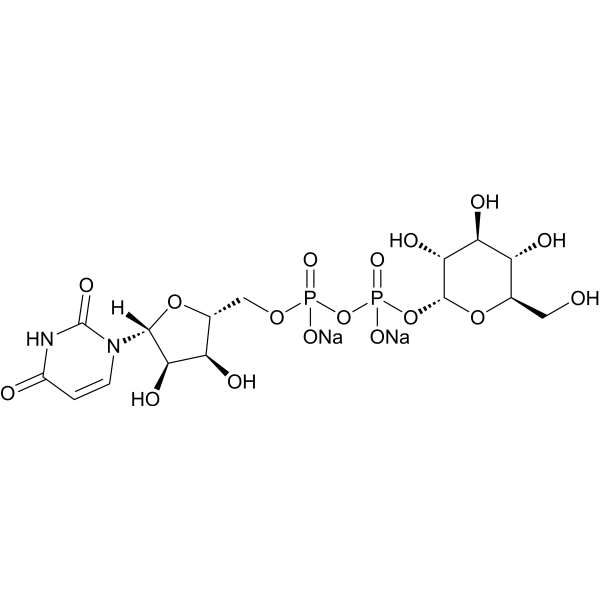 0 ImagesSynonyms: UDP-D-Glucose disodiumUridine 5’-diphosphoglucose (UDP-glucose) disodium, secreted by cardiomyocytes during ischemia and reperfu, is a potent agonist of the proinflammatory P2Y14 receptor. It acts an important role in the regulation of inflammation and neutrophil polarization in neutrophils. Uridine 5’-diphosphoglucose disodium is also the precursor of glucose-containing oligosaccharides, polysaccharides, glycoproteins, and glycolipids in animal tissues and in some microorganisms. Uridine 5’-diphosphoglucose disodium is promising for research in counteracting myocardial infarction/reperfusion (MIR)-induced inflammation in the heart tissue.
-
UDP-Galactose disodium
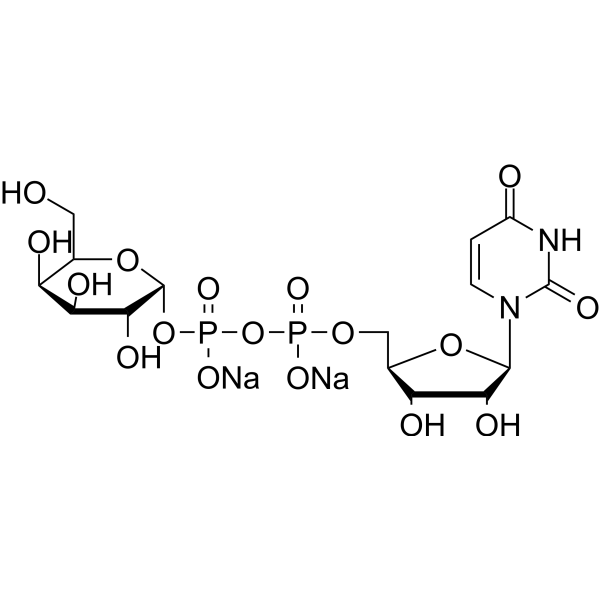 0 ImagesUDP-Galactose disodium is a monosaccharide and a key glycosyl donor molecule in cells that participates in nucleotide sugar metabolism. UDP-Galactose disodium is the natural agonist of the P2Y14 receptor coupled to Gi proteins in the immune system (IC50 = 0.67 μM, hP2Y14). UDP-Galactose disodium can be used to study cell signal transduction and substance metabolism.
-
PPTN
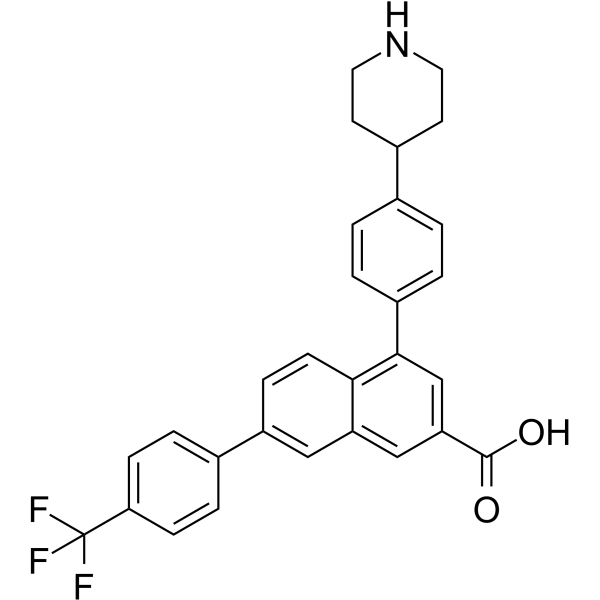 0 ImagesPPTN, a chemical probe, is a potent, high-affinity, competitive and highly selective P2Y14 receptor antagonist with a KB value of 434 pM. PPTN exhibits no agonist or antagonist effect at the P2Y1, P2Y2, P2Y4, P2Y6, P2Y11, P2Y12, or P2Y13 receptors. Anti-inflammatory and immune activity.
-
Uridine 5′-diphosphoglucose (Standard)
 0 ImagesSynonyms: UDP-D-Glucose (Standard)Uridine 5′-diphosphoglucose (Standard) (UDP-D-Glucose (Standard)) is the analytical standard of Uridine 5′-diphosphoglucose (HY-113044). This product is intended for research and analytical applications. Uridine 5’-diphosphoglucose (UDP-glucose), secreted by cardiomyocytes during ischemia and reperfu, is a potent agonist of the proinflammatory P2Y14 receptor. It acts an important role in the regulation of inflammation and neutrophil polarization in neutrophils. Uridine 5’-diphosphoglucose is also the precursor of glucose-containing oligosaccharides, polysaccharides, glycoproteins, and glycolipids in animal tissues and in some microorganisms. Uridine 5’-diphosphoglucose is promising for research in counteracting myocardial infarction/reperfusion (MIR)-induced inflammation in the heart tissue.
-
Uridine 5'-diphosphate sodium salt
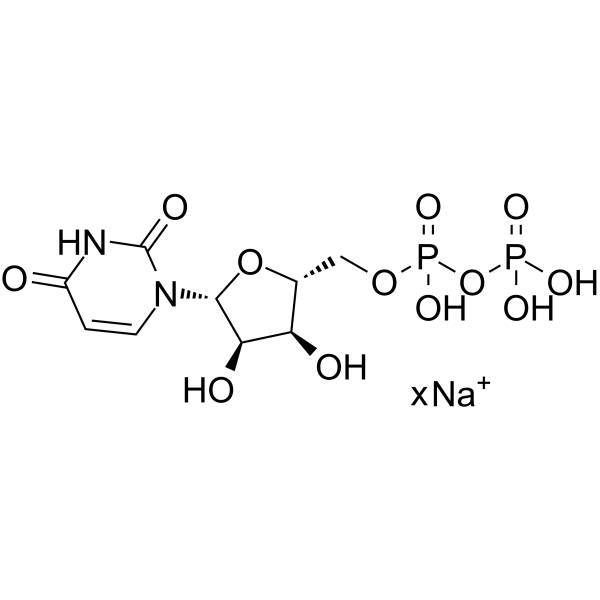 0 ImagesSynonyms: UDP sodium saltUridine-5'-diphosphate (UDP) sodium salt is an important nucleotide made of uracil, ribose, and a pyrophosphate group. Uridine-5'-diphosphate sodium salt is a potent, selective human P2Y6 receptor native agonist (EC50 = 300 nM; pEC50 = 6.52). Uridine-5'-diphosphate sodium salt, an endogenous metabolite, catalyzes the glucuronidation of a wide array of substrates and is used in nucleic acid (RNA) biosynthesis.
-
2-(Phenylethynyl)-ATP ammonium
 0 ImagesCat. No.: HY-107752ACAS No.: 851191-73-62-(Phenylethynyl)-ATP (ammonium) is a selective and potent GPR17 agonist with an EC50 of 35 pM. 2-(Phenylethynyl)-ATP (ammonium) also shows weak activation of P2Y Receptor. 2-(Phenylethynyl)-ATP (ammonium) can be used for the research of neurological disease.
-
Chloramphenicol succinate sodium
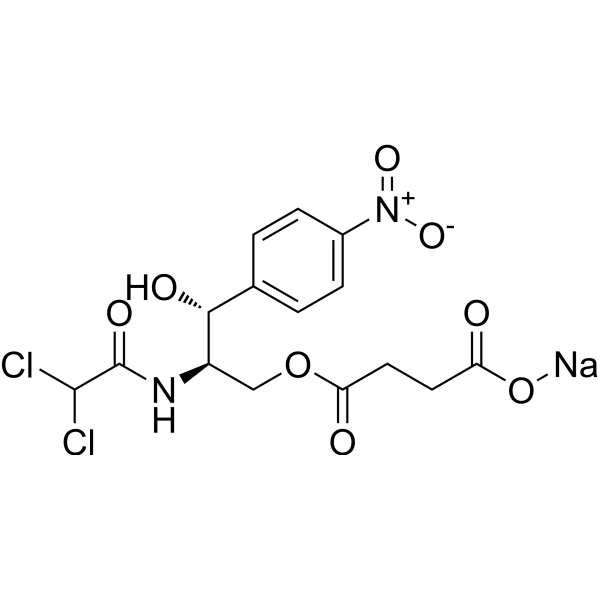 0 ImagesChloramphenicol succinate sodium is a prodrug of Chloramphenicol (HY-B0239), acting as a P2Y14R inhibitor with an IC50 of 1.585 nM. Chloramphenicol succinate sodium serves as a competitive substrate and inhibitor of succinate dehydrogenase (SDH), which may account for its toxicity. Chloramphenicol succinate sodium exerts a significant inhibitory effect on colitis. Chloramphenicol succinate sodium can be used in research related to myelosuppression, gray baby syndrome, aplastic anemia, bacterial meningitis and inflammatory bowel disease.

-
P2Y14R antagonist 1
 0 ImagesP2Y14R antagonist 1 (compound I-17) is a selective P2Y14R antagonist with an IC50 of 0.6 nM. It exhibits potent P2Y14R antagonistic activity, both in vitro and in vivo efficacy, and favorable pharmacokinetic profiles. P2Y14R antagonist 1 reduces the release of inflammatory factors and cell pyroptosis through the NOD-like receptor family pyrin domain-containing 3 (NLRP3)/gasdermin D (GSDMD) signaling pathway. P2Y14R antagonist 1 holds promise for research in the field of acute gouty arthritis.
-
Cichoriin
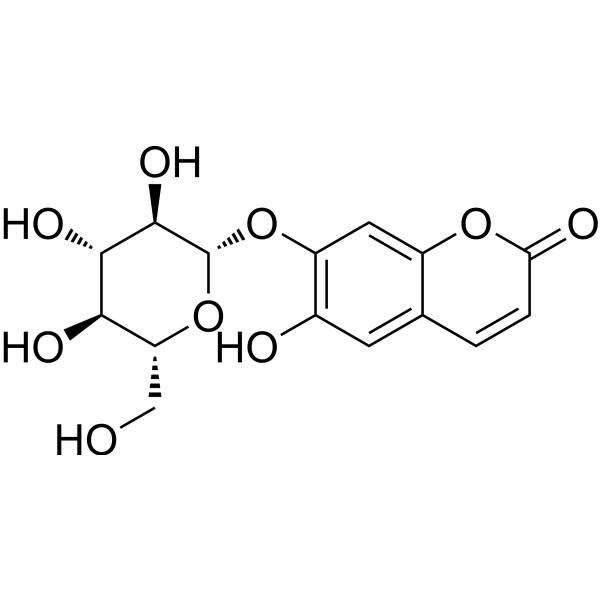 0 ImagesCichoriin is an orally active coumarin glycoside with broad biological activities. Cichoriin exhibits inhibitory activities against α-amylase, α-glucosidase, pancreatic lipase and DPP-IV, with IC50 values of 5.76, 2.94, 16.83 and 9.16 μg/mL, respectively. Cichoriin significantly improves metabolic dysfunction-associated steatohepatitis (MASH) in mice by activating the AMPK signaling pathway. Cichoriin upregulates PPAR-γ in adipose tissue and alleviates obesity and associated cardiorenal injury in rats. Cichoriin blocks monosodium urate crystal-induced activation of the NLRP3 inflammasome and cell pyroptosis by inhibiting P2Y14R (IC50 = 8.47 nM). In silico virtual screening reveals that Cichoriin has a strong binding affinity for SARS-CoV-2.
-
HDL-16
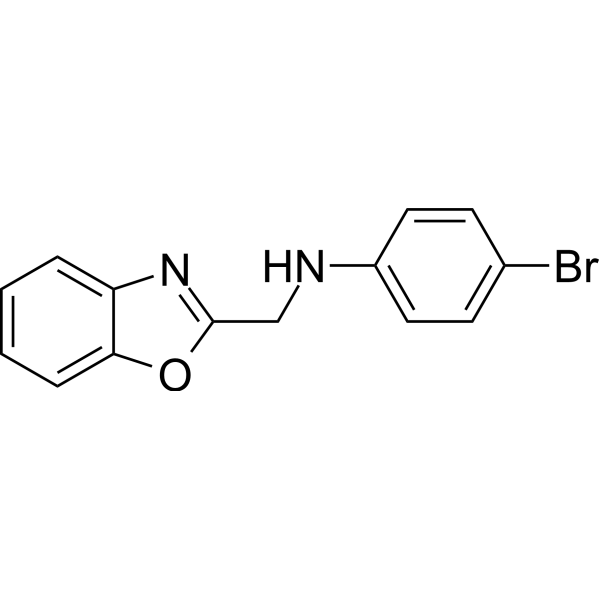 0 ImagesHDL-16 is a potent P2Y14R antagonist with an IC50 of 0.3095 nM. HDL-16 ameliorates DSS (HY-116282C)-induced colitis through suppressing necroptosis of intestinal epithelium cells (IECs) and protecting mucosal barrier function.
-
Uridine 5′-diphosphoglucose
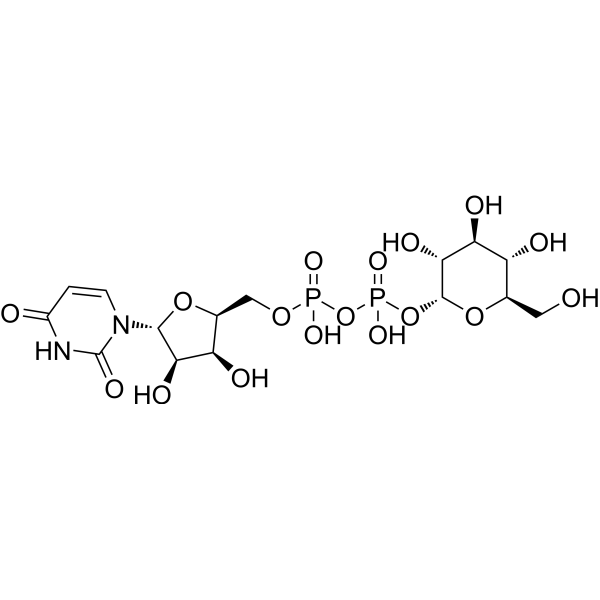 0 ImagesUridine 5’-diphosphoglucose (UDP-glucose), secreted by cardiomyocytes during ischemia and reperfu, is a potent agonist of the proinflammatory P2Y14 receptor. It acts an important role in the regulation of inflammation and neutrophil polarization in neutrophils. Uridine 5’-diphosphoglucose is also the precursor of glucose-containing oligosaccharides, polysaccharides, glycoproteins, and glycolipids in animal tissues and in some microorganisms. Uridine 5’-diphosphoglucose is promising for research in counteracting myocardial infarction/reperfusion (MIR)-induced inflammation in the heart tissue.
-
MRS4654
 0 ImagesCat. No.: HY-156220CAS No.: 2765570-58-7
-
MRS4917
 0 ImagesCat. No.: HY-178006MRS4917 is an orally active, potent selective P2Y14 receptor (hP2Y14R) antagonist (IC50 = 2.88 nM, Ki = 1.67 nM) that shows >18,000 fold selectivity against P2Y6R (IC50 = 54 μM). MRS4917 demonstrates oral efficacy in reversing established mechanoallodynia in the chronic constriction injury (CCI) mouse model, while having no effect on thermoregulation. MRS4917 can be used for neurological diseases research.
-
MRS4738
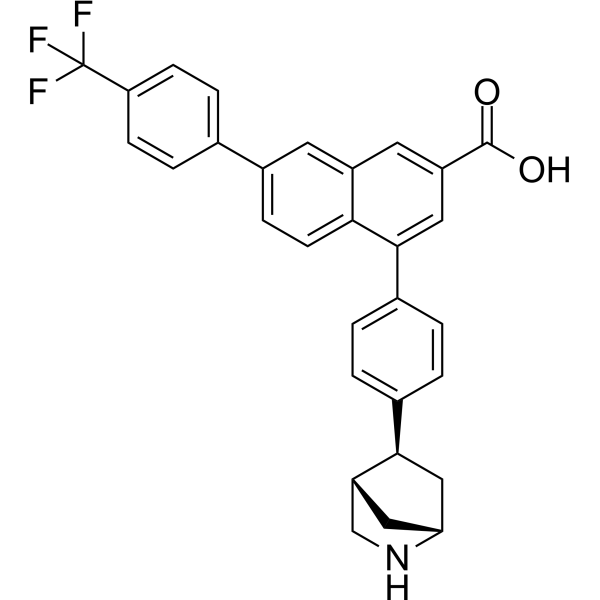 0 ImagesCat. No.: HY-143890CAS No.: 2801625-42-1MRS4738 is a human P2Y14-targeted inhibitor with an IC50 of 3.11 nM. MRS4738 suppresses inflammatory responses of pulmonary neutrophils and lymphocytes, reduces airway eosinophil accumulation, and alleviates mechanical hyperalgesia. MRS4738 can be applied to the research on the mechanisms of diseases associated with pulmonary inflammation, neuropathic pain and asthma.
-
UDP-Galactose
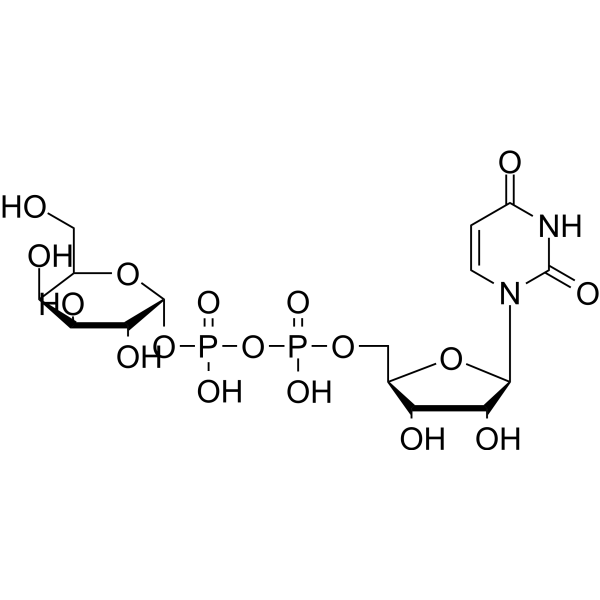 0 ImagesUDP-Galactose is a monosaccharide and a key glycosyl donor molecule in cells that participates in nucleotide sugar metabolism. UDP-Galactose is the natural agonist of the P2Y14 receptor coupled to Gi proteins in the immune system (IC50 = 0.67 μM, hP2Y14). UDP-Galactose can be used to study cell signal transduction and substance metabolism.
-
MRS4833
 0 ImagesCat. No.: HY-167855CAS No.: 2801627-78-9
-
MRS4608
 0 ImagesCat. No.: HY-156203CAS No.: 2370976-04-6MRS4608 (Compound 17) is a selective P2Y14 receptor antagonist with IC50 values of 20 (hP2Y14R) and 21.4 nM (mP2Y14R). MRS4608 has anti-inflammatory activity and can reduce the infiltration of eosinophils. MRS4608 can be used for the researches of inflammation and immunology, such as asthma.
-
P2Y14R antagonist 3
 0 ImagesCat. No.: HY-172226P2Y14R antagonist 3 (Compound A) is a potent and orally active P2Y14R antagonist with an IC50 value of 23.60 nM and a Kd value of 7.26 μM. P2Y14R antagonist 3 can reduce the degree of lung injury in the Lipopolysaccharides (LPS) (HY-D1056)-induced acute lung injury mice. P2Y14R antagonist 3 can be used for inflammatory diseases.
-
P2Y14R antagonist 4
 0 ImagesCat. No.: HY-173407CAS No.: 3081687-67-1
- 1
- 2



